
How Aluminum Tariffs Impact the Gaming Industry
Think about your gaming setup—your console, controller, maybe a gaming PC. Ever wonder about the materials that go into making those devices? Aluminum is a key component, and its price, influenced by tariffs and global trade, plays a significant role in the cost of your gaming gear. In this deep dive, we'll explore the surprising connection between aluminum, trade policy, and the gaming industry. We'll uncover how tariffs impact not only the price of gaming hardware but also innovation and the overall gaming experience.
Key Takeaways
- Aluminum tariffs have far-reaching consequences: These taxes increase the cost of aluminum, affecting a wide range of industries, from construction and transportation to surprisingly, the gaming industry. Higher material costs often lead to higher prices for consumers on everyday products.
- The gaming industry feels the impact: Though it may seem removed from aluminum production, the gaming industry relies on this metal for various hardware components. Tariffs disrupt the supply chain, potentially leading to higher prices for gamers and hindering innovation.
- Policymakers face a difficult challenge: The goal of tariffs is to protect domestic industries, but they can also stifle growth in related sectors. Finding a policy that supports domestic production without negatively impacting consumers and industries like gaming requires careful consideration.
What Are Aluminum Tariffs?
Aluminum tariffs are taxes a government adds to the price of imported aluminum. This makes foreign aluminum more expensive, ideally giving domestic producers an advantage. In the US, these tariffs have gone back and forth. For example, the Trump administration put a 25% tariff in place in 2018, using Section 232 of the Trade Expansion Act, which allows the government to impose tariffs for national security reasons. The administration argued this was necessary to boost US aluminum production and was part of a larger effort to address perceived unfair trade practices and revitalize American manufacturing.
A report from the Tax Foundation indicates that these kinds of tariffs on steel and aluminum raised production costs for US manufacturers, which then led to job losses in those industries, higher prices for consumers, and a negative impact on exports. These higher costs can have a ripple effect, impacting other industries like gaming, which uses aluminum in everything from consoles and PCs to controllers and accessories.
The Wall Street Journal has reported on how international companies have historically offered lower prices than American aluminum producers by importing less expensive aluminum from countries like Australia, Brazil, and Canada. Tariffs aim to create a fairer competition for US companies, but they also result in higher prices for anyone buying anything made with aluminum. In short, while the stated goal of aluminum tariffs is to protect domestic industries, the actual impact is complex, often leading to increased costs for both businesses and consumers across many sectors.
How Big is the Aluminum Industry?
The aluminum industry is massive, impacting everything from cars and skyscrapers to soda cans and, yes, even gaming. It's projected to see substantial growth in the coming years, which means its influence will only expand. Globally, the aluminum production industry is poised for a 3.4% compound annual growth rate between 2023 and 2030. That might not sound like a huge jump, but considering the current scale of the industry, it's pretty impressive.
Here in the US, the aluminum production market is estimated to reach nearly $3 billion by 2030. While the projected 0.7% compound annual growth rate in the US is lower than the global average, it still represents a significant market. This growth, or lack thereof, directly affects the cost of materials used in gaming hardware, like consoles and graphics cards.
Think about all the sectors that rely on aluminum: transportation, construction, and packaging. Demand from these industries fuels the aluminum market. And nestled within this larger demand is the gaming industry, which uses aluminum for components in everything from gaming PCs to controllers. The aluminum industry also has a substantial economic impact, supporting thousands of jobs in production and processing. This ripple effect influences the gaming world indirectly through job creation and overall economic stability. So, even though you might not see "aluminum" on the box of your new game, it plays a crucial role behind the scenes.
How Do Trade Policy Shifts Affect Everything?
Trade policy changes, like tariffs, have a ripple effect across industries. Let's explore how these shifts impact everything from the cars we drive to the games we play.
Manufacturing Challenges
Tariffs on raw materials, like the Section 232 tariffs on steel and aluminum, increase production costs for manufacturers. These higher costs can lead to job losses in affected industries, price hikes for consumers, and a decline in exports as American-made goods become less competitive. The Tax Foundation analyzed the Section 232 tariffs and highlighted these negative consequences.
Construction Industry Impact
The construction industry relies heavily on steel and aluminum. When tariffs increase the price of these materials, building costs rise—from houses to skyscrapers. This can slow down construction projects and ultimately impact housing affordability. Even seemingly unrelated products, like soda cans, can be affected. Investopedia reported on how Coca-Cola attributed rising can prices to aluminum tariffs.
Transportation Sector Adjustments
The transportation sector, including car and aerospace manufacturers, also depends on aluminum. Tariffs disrupt the aluminum supply chain, making it more expensive for companies to source materials. The Wall Street Journal reported on how tariffs created instability and higher costs within the aluminum industry.
Gaming and Technology Sector Implications
Even the gaming industry feels the impact of tariffs. Many electronic devices, including game consoles and computers, contain aluminum and other metals subject to tariffs, which can increase prices for consumers. The Entertainment Software Association (ESA) warned about the negative impacts of tariffs on the gaming industry, from higher prices to potential job losses. PC Gamer echoed these concerns, highlighting the potential harm to both consumers and the industry.
What About Aluminum Jobs?
It might seem like tariffs on aluminum would protect jobs in the US aluminum industry, but it's more complicated than that. While some domestic aluminum producers might see a short-term uptick, the bigger economic picture can negatively affect jobs across many sectors, including gaming.
Increased aluminum costs because of tariffs get passed down the supply chain. Alcoa estimated a potential cost increase of $1.5 billion to $2 billion annually for US customers due to a 25% tariff on Canadian aluminum. These higher prices can put companies in a tough spot, leading to staff reductions or cutting back on new projects. This ripple effect can hit the gaming industry hard. Consider all the aluminum in gaming consoles, controllers, and computer parts. When material prices rise, profit margins for gaming companies shrink.
The Entertainment Software Association (ESA) warned about the potential harm tariffs on materials like aluminum could have on the gaming industry's economic contributions. This goes beyond just large gaming corporations; it also impacts smaller game developers and the entire gaming ecosystem. Higher costs can stifle innovation and growth, potentially leading to job losses across the board. As one industry expert explained, tariffs create significant financial strain for businesses. This pressure can lead to less hiring, layoffs, and a slowdown across the gaming sector.
How Do Tariffs Affect Consumers?
Tariffs on aluminum increase the prices of goods for everyone. Aluminum is in everything from cars and appliances to gaming consoles. When the cost of aluminum goes up for manufacturers, that increase gets passed down to us, the consumers. We end up paying more for everyday items, including the tech we love. ML Strategies explains how tariffs on metals like aluminum increase the cost of aluminum-based products, including electronics and home goods.
This price hike hits the gaming industry especially hard. Consoles, controllers, and even some gaming PCs contain aluminum. If the materials to build these devices become more expensive, the final product price tag increases too. This can make gaming, a hobby many people enjoy, less accessible. PC Gamer reported on how tariffs could negatively affect the gaming industry and its consumers. The Tax Foundation found that tariffs increase the average price of metals, impacting industries that use these materials for production. Ultimately, tariffs create a ripple effect across the economy.
Will Other Countries Retaliate?
When one country imposes tariffs, others often respond in kind. This creates a ripple effect across international trade, potentially sparking trade wars. In the case of aluminum tariffs, affected nations might impose their own tariffs on US goods, impacting industries far beyond aluminum production. It's a domino effect—one tariff triggers another, and suddenly, industries reliant on global trade, like gaming, feel the squeeze.
While seemingly unrelated to aluminum production, the gaming industry relies on this metal for various hardware components. If other countries retaliate with tariffs on US goods, the cost of these components could increase. This cost increase could then get passed on to consumers, making gaming PCs, consoles, and accessories more expensive. This price hike could lower consumer demand, impacting sales and potentially slowing innovation in the gaming sector. It's a chain reaction that starts with aluminum and ends with the games we play. Experts suggest that such retaliatory tariffs disrupt international trade and create tension between nations. Past trade disputes show that targeted nations often respond swiftly with counter-tariffs, creating a complex web of economic consequences. The potential for a cycle of retaliation underscores how interconnected global trade is and how vulnerable industries are that rely on international supply chains. The impact on various sectors, including those dependent on aluminum, highlights the far-reaching consequences of trade policy decisions.
How Can Companies Handle Tariffs?
Dealing with tariffs requires a multi-pronged approach. Companies in the gaming industry, particularly those reliant on aluminum for components or manufacturing, can explore several strategies to soften the blow. There’s no one-size-fits-all solution; each company will need to assess its specific vulnerabilities and resources.
Supply Chain Diversification
One of the most effective ways to manage tariff-related risks is to diversify your supply chain. Instead of relying solely on suppliers in countries affected by tariffs, explore sourcing components from other regions. This might involve establishing relationships with new suppliers or shifting production to different facilities. It's a significant undertaking, but diversification creates more resilience in the long run, making your company less susceptible to disruptions from trade policy changes.
Operational Optimization
Another approach is to look inward and identify opportunities to streamline your operations. This could involve optimizing product designs to use less aluminum or finding ways to improve manufacturing efficiency to reduce costs. Even small changes can add up to significant savings, helping to offset the increased expense from tariffs.
Material Alternatives
Exploring alternative materials is another avenue worth considering. If aluminum becomes too expensive due to tariffs, could other materials offer similar performance characteristics at a lower cost? This requires careful research and development, considering factors like raw material availability, production costs, and even energy prices associated with different materials. Switching materials isn't a quick fix, but it can be a viable long-term solution for managing price volatility.
Can Tariffs Spur Innovation?
Tariffs on aluminum can create a challenging environment for industries that rely on the metal, including gaming. Increased production costs are a primary concern. Tariffs on metals like aluminum have far-reaching economic implications, affecting everything from domestic manufacturing to consumer prices. These higher costs can ripple through the supply chain, impacting the price of components used in gaming consoles and accessories. This can lead to higher prices for consumers, potentially dampening demand and limiting spending on new gaming innovations, as noted in the same ML Strategies analysis.
The gaming industry, however, is known for its adaptability. Faced with higher aluminum prices, companies may be forced to find creative solutions. This could involve exploring alternative materials or streamlining manufacturing processes to offset increased expenses. While tariffs present a hurdle, they can also create an impetus for innovation in product design and efficiency. Industry representatives have voiced concerns about the potential negative impacts of tariffs on the gaming industry. The challenge becomes finding a balance between protecting domestic industries and fostering a climate that allows companies like Z League to thrive and continue delivering cutting-edge gaming experiences.
What's the Future of US Aluminum?
The aluminum industry is at a crossroads. The return of tariffs has created significant uncertainty, impacting related sectors like gaming. These tariffs raise costs for manufacturers, which can mean higher prices for consumers and potentially lower demand for aluminum products like gaming consoles and accessories. The broader economic effects extend beyond just the aluminum sector, influencing global trade and domestic manufacturing.
One possible outcome is a shift in sourcing. Companies may seek aluminum from countries not subject to tariffs. This could lead to job losses within the US aluminum industry and affect related industries. However, tariffs could also stimulate domestic aluminum production, potentially creating jobs and strengthening the US aluminum sector. It's a complex situation with potential upsides and downsides.
The gaming industry, which relies on aluminum for hardware, faces its own challenges. Higher costs could lead to higher prices for gamers or reduced profit margins for gaming companies. The industry's response has been to voice concerns, highlighting the potential negative impact of tariffs on the US economy and consumers. The future of US aluminum remains uncertain, with a range of possible outcomes depending on industry adaptations and trade policy developments.
How Do We Balance Protection and Growth?
Finding the sweet spot between safeguarding domestic industries and encouraging growth in areas like gaming is a tough balancing act. The gaming industry, while seemingly removed from raw materials like aluminum, is actually quite sensitive to shifts in trade policy. Tariffs on aluminum can increase the cost of components used in gaming hardware, like consoles and PCs. This cost increase can trickle down to consumers, potentially slowing sales growth in the gaming market. It's a complex web, and finding a solution requires a nuanced approach.
The reinstatement of tariffs on key metals like aluminum has a ripple effect across the economy. These tariffs impact domestic manufacturing, influence consumer prices, and even strain global trade relationships, creating a challenging environment for any industry, including gaming, to truly flourish. This article offers a helpful overview of these complex dynamics. One of the main arguments for tariffs is that they protect domestic producers. However, this protection often comes at a cost. While U.S. aluminum producers might see gains, the resulting higher prices for aluminum-based products can impact consumers.
Everything from cars and appliances to potentially even gaming consoles could become more expensive, dampening consumer spending and hindering growth in related industries. Learn more about the potential impact on consumer costs. Industry groups, like the Entertainment Software Association, have voiced concerns about the negative impact of tariffs on the gaming industry. The ESA argues that such policies can stifle innovation and limit access to technology for millions of gamers. This highlights the tension between protecting specific industries and fostering a healthy environment for the broader tech and entertainment sectors.
The tariffs are also causing significant disruption in related industries, like the aluminum industry itself. The Wall Street Journal reported on the fracturing effect of tariffs within the aluminum sector, further complicating the situation. Finding a way to support domestic producers while ensuring that industries like gaming can continue to thrive is a critical challenge.
Frequently Asked Questions
Why should gamers care about aluminum tariffs? Aluminum is used in a lot of gaming hardware, from consoles and PCs to controllers. Tariffs increase the price of aluminum, which can lead to more expensive gaming gear for you.
How could aluminum tariffs affect game prices? When tariffs make aluminum more expensive, the companies that make gaming hardware face higher production costs. They often pass these increased costs on to consumers through higher prices. This means you might have to pay more for your next console or PC upgrade.
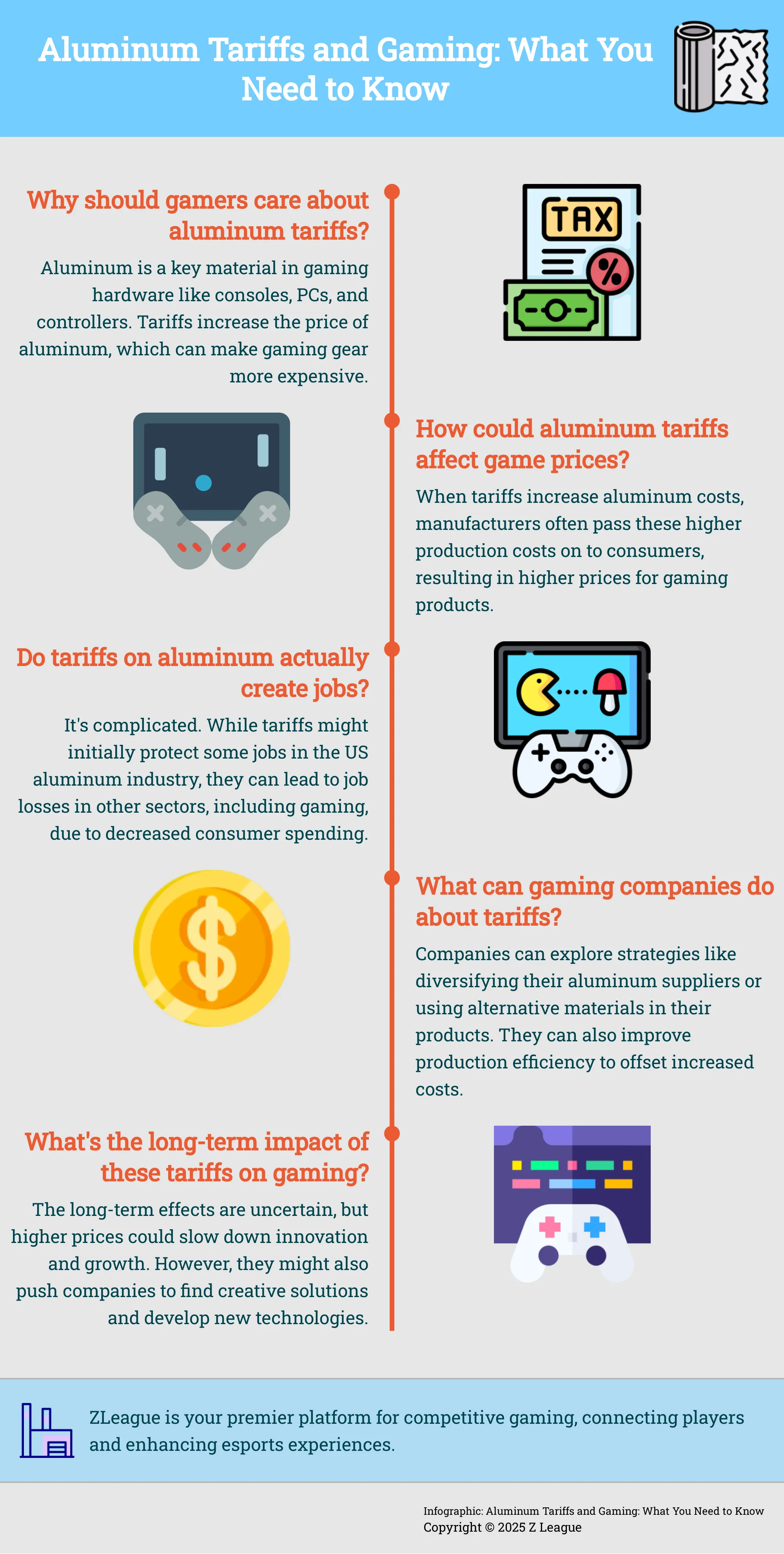
Do tariffs on aluminum actually create jobs? It's not that simple. While tariffs might initially protect some jobs in the US aluminum industry, they can also lead to job losses in other sectors, including gaming. Higher prices can decrease consumer spending, which can hurt businesses and lead to cutbacks.
What can gaming companies do about tariffs? Companies can explore different strategies, like finding new aluminum suppliers in countries not affected by tariffs, or even using different materials in their products. They might also look for ways to make their production processes more efficient to offset the increased costs.
What's the long-term impact of these tariffs on gaming? The long-term effects are still uncertain. Higher prices could slow down innovation and growth in the gaming industry. However, it could also push companies to find creative solutions and develop new technologies that use less aluminum or different materials altogether.